On a bright afternoon in a well-sealed greenhouse, a dense crop can draw the carbon dioxide in the air below the outdoor level within an hour. Vents are shut to hold heat and humidity, photosynthesis keeps running, and the CO2 the plants need is used up faster than the structure can replace it. This is why commercial growers add carbon dioxide — and why the way that CO2 is stored, vaporized and delivered matters as much as the dosing itself.
Why growers enrich with CO2
Photosynthesis is often CO2-limited: within a sensible range, more available carbon dioxide lets many crops photosynthesize faster. Growers therefore target a carbon dioxide concentration above ambient during daylight hours, when the plants are actively taking up carbon and light is not the limiting factor. Because open vents flush enriched air straight back outdoors, growers concentrate dosing in daylight hours and let the level fall at night, spending CO2 only when the crop can convert it. This practice, called CO2 enrichment (or CO2 fertilization), is standard in controlled-environment horticulture for crops such as tomatoes, cucumbers, peppers and cut flowers. The gains depend on crop, light, temperature and nutrition, so this article stays with the engineering — how the CO2 is supplied — rather than promising any particular yield.
Two ways to put CO2 into the air
Growers reach a raised CO2 level by one of two routes. The first is burning a clean fuel — natural gas or propane — in dedicated burners, which releases carbon dioxide together with heat and water vapor. It is economical where the heat is wanted, but combustion must be clean and complete, because incomplete burning can add unwanted gases to the crop air.
The second route is dosing pure carbon dioxide, delivered as bulk liquid or in cylinders, straight into the greenhouse air. Pure CO2 carries no combustion by-products, can be metered precisely, and decouples enrichment from heating so the grower can add carbon dioxide without adding heat. This article is about that pure-CO2 supply route — the side Cryofortune equips.
The supply chain we configure
Behind a pure-CO2 dosing system sits a compact gas supply chain, and Cryofortune configures it end to end.
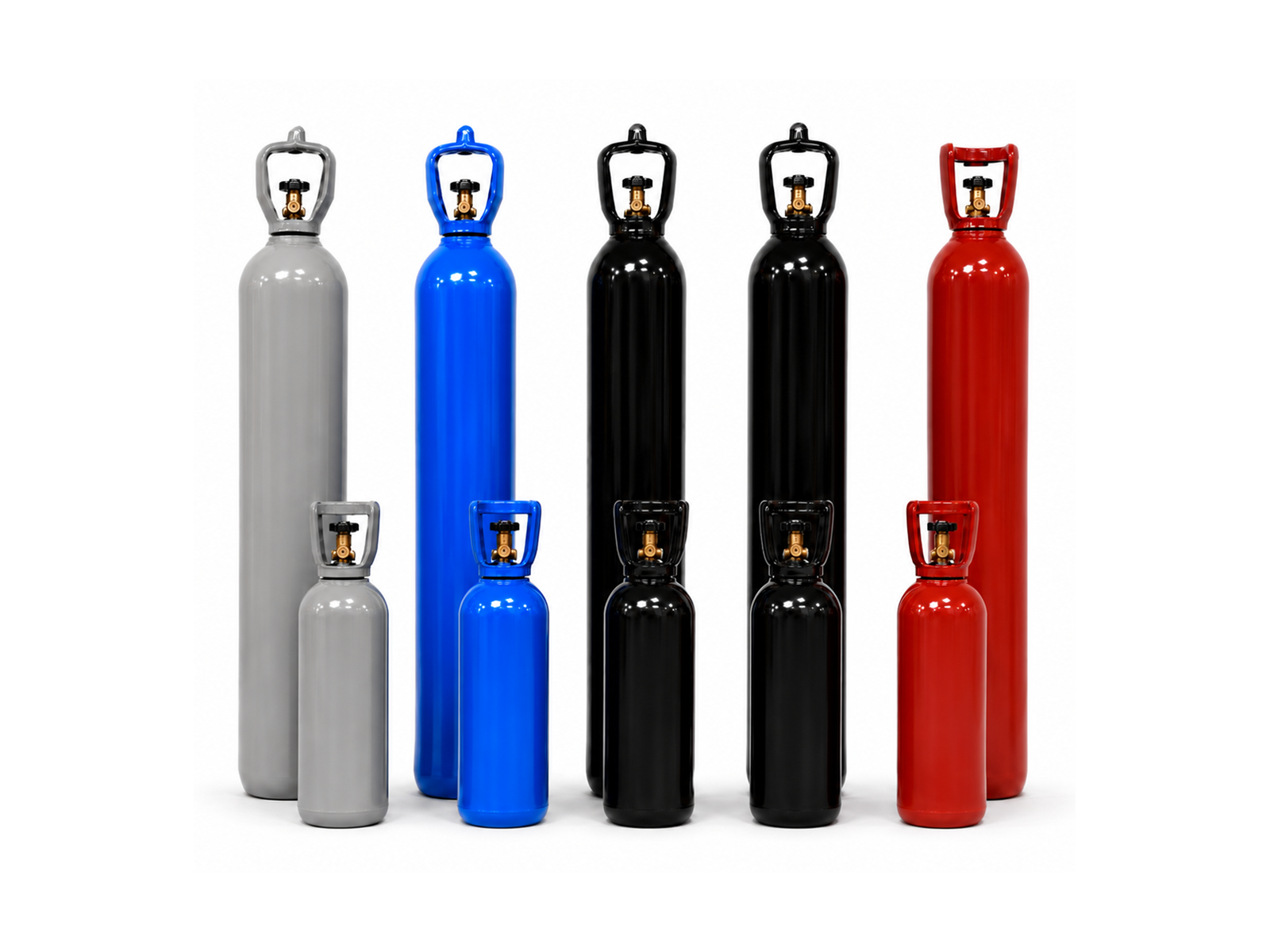
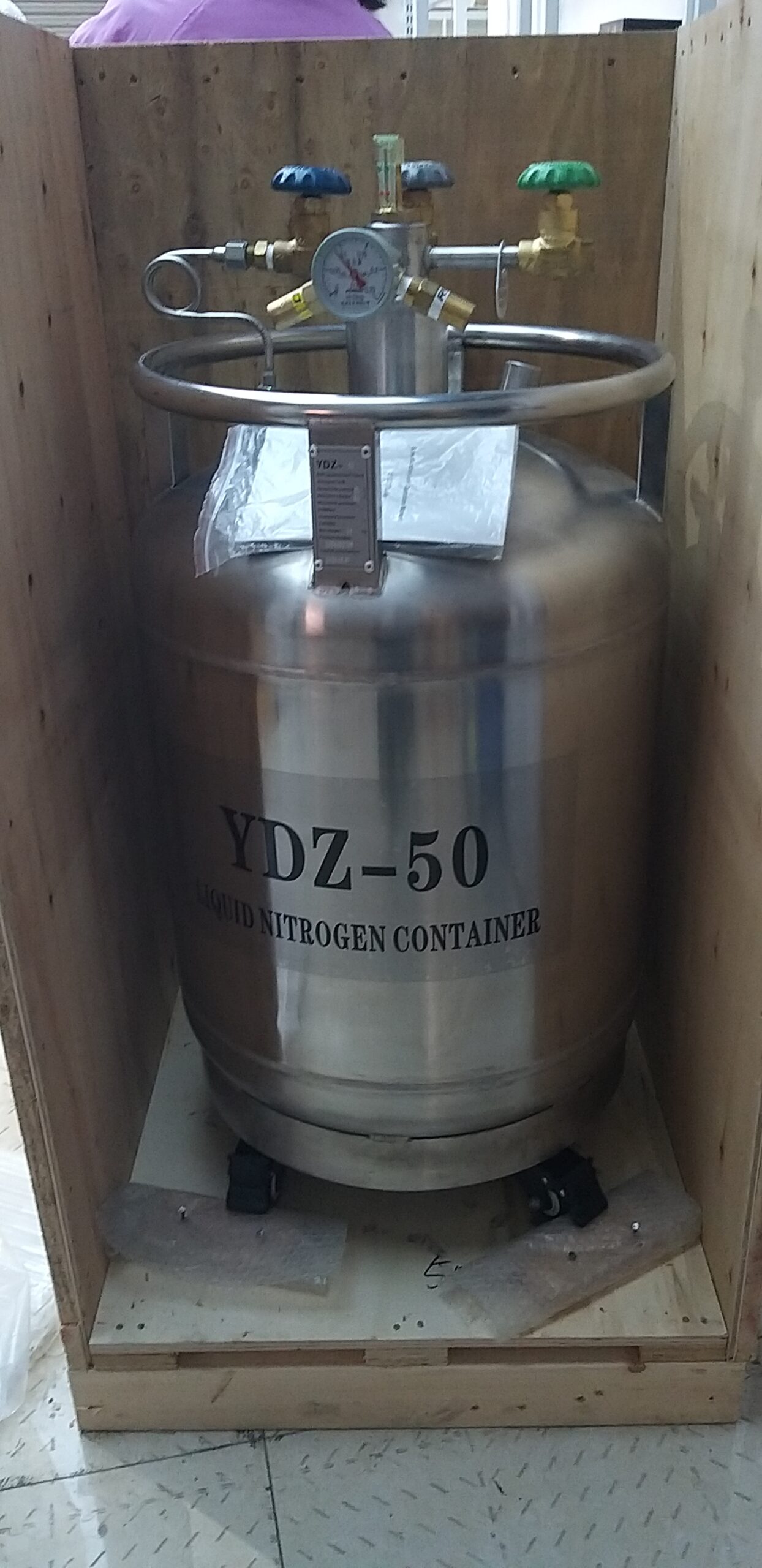
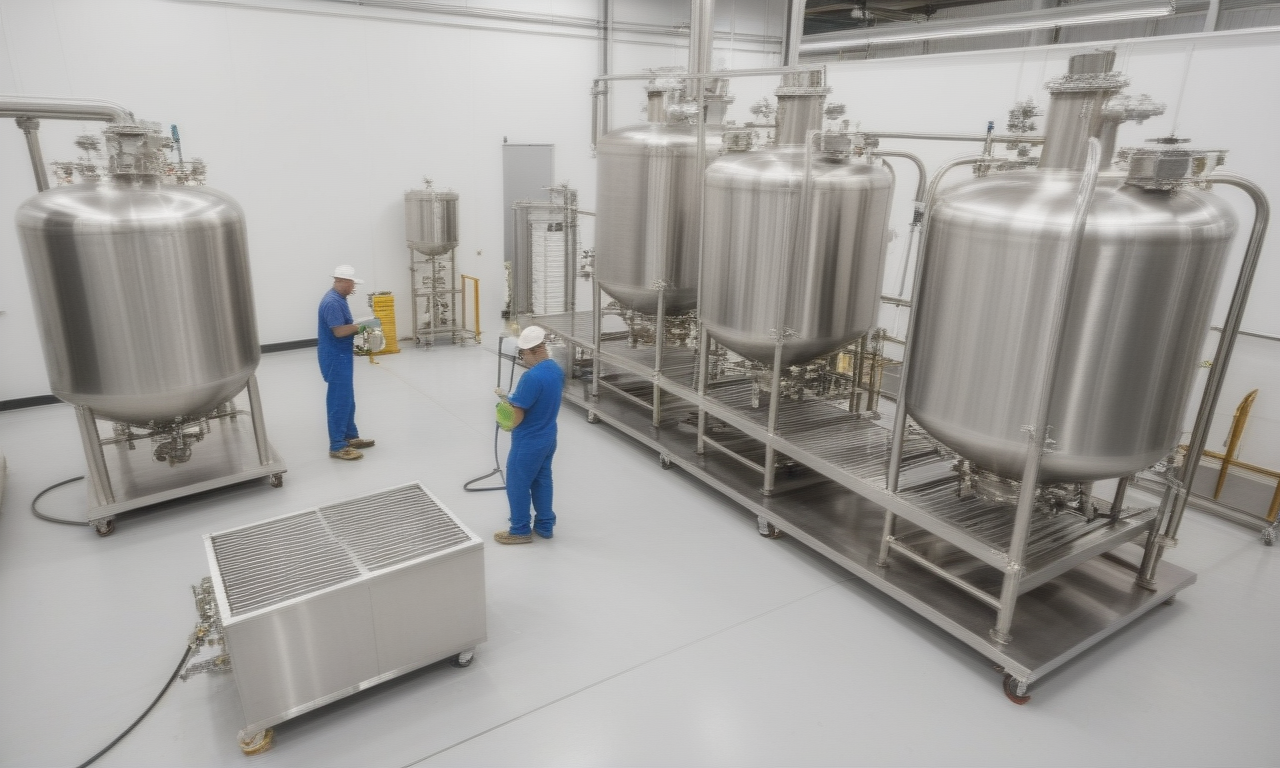
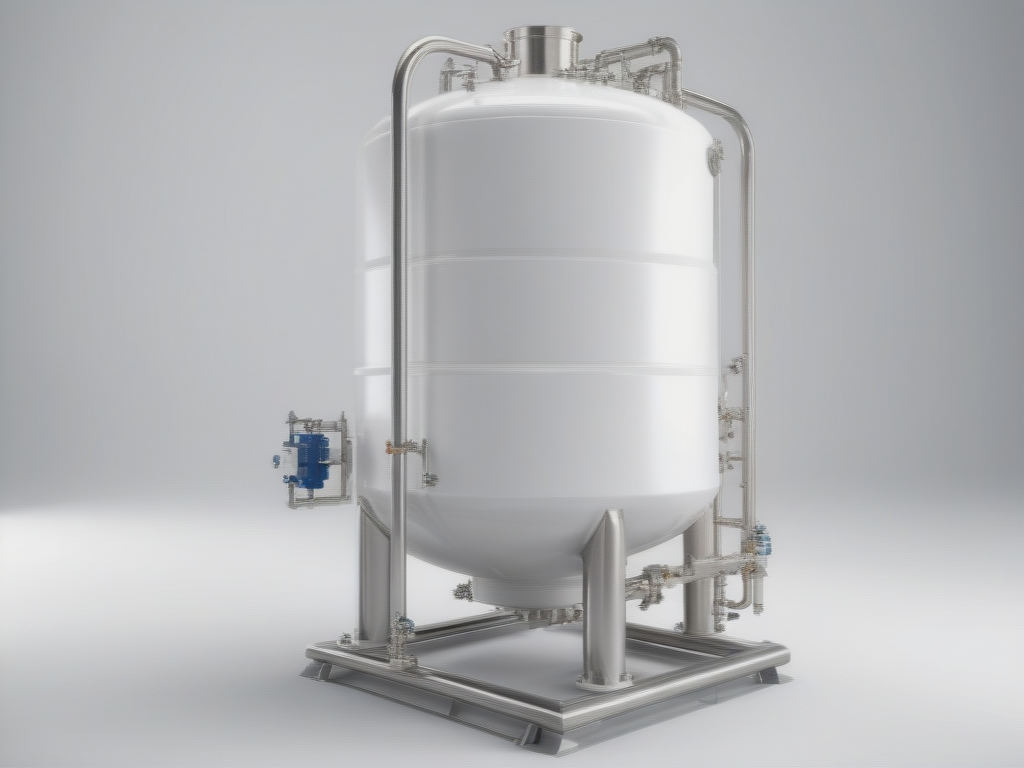
- Bulk liquid CO2 storage. Carbon dioxide is stored as a liquid under pressure in an insulated vessel — a pressure vessel rated around 2.2 MPa — refilled periodically by tanker. See our liquid CO2 equipment and pressure vessels. Smaller or seasonal sites often start on high-pressure gas cylinders and move to a bulk tank as demand grows.
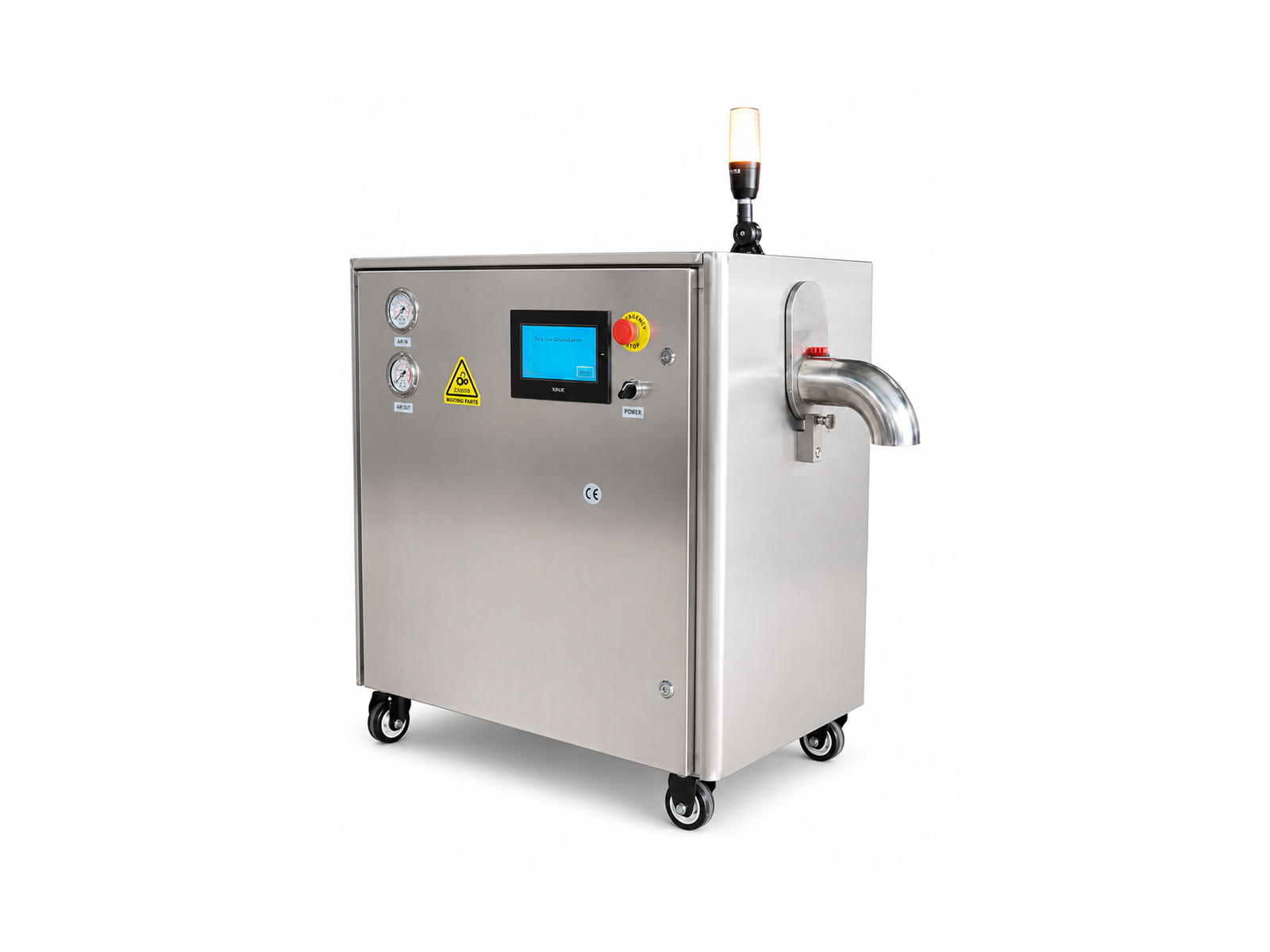
- Vaporization and heating. Liquid CO2 has to become gas at a steady, controlled rate before it can be dosed. A cryogenic vaporizer does this; where the draw is high or ambient temperatures are low, a CO2 gas heater adds heat at the outlet to prevent chilling and dry-ice formation that would otherwise choke the line.
- Piping to the greenhouse. Gas-phase CO2 is then piped to the grower’s distribution point, ready for dosing.
From there, the grower’s own dosing computer and CO2 sensors meter the gas into the greenhouse air and hold the target concentration. We supply up to the gas outlet; the dosing controls, sensors and climate software are the grower’s — those are horticulture-automation products from other makers, not something we sell.
Sizing the supply
The supply is sized from the dosing duty, not the other way round. From the greenhouse floor area, the target enrichment level and the ventilation rate — how fast enriched air is lost when vents open — the grower’s climate system works out a peak CO2 flow. That peak flow is the number that matters to us: it sets the vaporizer capacity, and together with daily consumption it sets the storage volume and the refill interval. A greenhouse that vents heavily on hot days needs a higher peak flow than its floor area alone would suggest, which is why the climate system’s calculated figure — not a rule of thumb — should drive equipment selection. Tell us the dosing duty and we size the tank, vaporizer and heater to meet it with margin, then match the build to the destination’s codes and paperwork.
Safety: enrichment raises CO2 on purpose
Carbon dioxide is a colorless, odorless gas that is heavier than air, so it pools in low and still spaces. It is an asphyxiant and is toxic at high concentration — and enrichment deliberately raises the CO2 level indoors, so safe practice is not optional.
- Dose to safe targets only. Enrichment set-points must stay within safe limits, controlled by a CO2 monitor that protects people as well as plants, with an alarm and a ventilation interlock that stops dosing and clears the air if the level climbs.
- Never over-enrich an occupied closed space. Do not raise CO2 beyond safe occupational levels anywhere people work, and never enter a space that has been enriched without ventilation and monitoring.
- Detect gas low down. Fit CO2 detection at low level in the greenhouse and around the storage tank and vaporizer, where a leak of heavier-than-air gas collects first.
- Protect handlers. Liquid CO2 and its cold surfaces cause cold burns; use appropriate PPE — insulated gloves and eye protection — when connecting or filling.
Occupational CO2 exposure limits and pressure-vessel rules differ by country, and the installation must follow the ones in force at its location.
Where Cryofortune fits
Cryofortune configures the CO2 supply chain behind greenhouse enrichment — bulk tank, vaporizer, CO2 heater, cylinders and piping — sourced from a network of vetted Chinese manufacturers and matched to your destination’s codes and documents. We are a sourcing and engineering supplier, not a factory, and we do not sell the dosing computers or sensors. To scope a supply package, send us your greenhouse area, target CO2 level and peak CO2 flow through our contact page and we will size the tank, vaporizer and heater to suit.
Availability and applicability of any standard, certificate, marking or registration procedure is confirmed for the specific manufacturer, model and order before production.