AS/NZS 1200 is the joint Australian and New Zealand umbrella standard for pressure equipment. It is a framework standard, not a design code — in our standards and procedures section it does not fill the design-standard slot; it is the umbrella that organises those instruments. It contains no vessel calculations of its own. It defines what pressure equipment is, assigns requirements across the equipment lifecycle, and lists the design and construction standards that are accepted under it. It is also not a law, a marking, or a certificate; work health and safety regulations in both countries give it practical force by referencing it.
What AS/NZS 1200 covers as an umbrella standard
Most design standards tell an engineer how to size a shell or a head. AS/NZS 1200 instead tells a project which documents govern each stage: design, materials, manufacture, examination, testing, installation, conformity assessment, commissioning, in-service inspection, and repair. Its scope covers boilers, pressure vessels, and pressure piping. Cryogenic storage tanks and the pressure circuits of vaporizers generally fall within this scope; transportable gas cylinders are treated under separate rules. The structure is deliberate. It lets Australia and New Zealand accept equipment designed to several recognized codes, not one national code alone, while keeping classification and inspection consistent.
Design codes accepted under AS/NZS 1200
The framework lists design and construction standards that are accepted for pressure vessels. AS 1210 is the local vessel code and the most common route for equipment built specifically for the Australian market. ASME Section VIII and EN 13445 appear among the accepted international codes, alongside others such as PD 5500 and GB 150. Editions of the framework have also listed ISO standards for cryogenic vessels. This matters for imported cryogenic equipment. A tank designed to ASME VIII or EN 13445 is not automatically excluded in Australia or New Zealand; its code may already be accepted under the framework. Acceptance for a given vessel is confirmed against the current edition and the destination regulator before order, not assumed.
Classification and hazard levels: AS 4343
AS/NZS 1200 points to AS 4343 for classifying pressure equipment by hazard level, graded A through E. The level is derived from pressure, volume, contained fluid, and service, and it drives the statutory consequences. Higher hazard levels typically require plant design registration with the state or territory regulator, and in some cases item registration, before the equipment can be operated. A liquid oxygen or nitrogen storage tank of typical industrial size will usually land in a level where design registration applies; this is assessed per vessel, not per product family. Design registration is a statutory step taken in the destination jurisdiction. In practice it usually falls to the buyer or importer for one-off imports — the application can also be lodged by the designer or supplier — while the manufacturer’s role is to supply the design documentation and calculations on which independent design verification and the registration draw.
AS/NZS 1200 for importers of cryogenic equipment
The practical question for an importer is narrow: is the design code of my equipment acceptable here? Regulators assess registration applications against the framework, and practice varies by jurisdiction. South Australia is generally understood to accept only design codes stated in AS/NZS 1200, so a vessel to an unlisted code may be registrable elsewhere and refused there. Checking the framework before selecting a factory is therefore cheaper than discovering a mismatch at registration. Documentation follows the same logic: a registration file draws on the design and test documentation assembled at the factory, together with an independent design verification, and the exact set is confirmed per jurisdiction and hazard level. Our note on export certification for cryogenic equipment covers how these packages are assembled at the factory.
How New Zealand applies AS/NZS 1200
New Zealand does not run a parallel framework; it references this one. The Approved Code of Practice for Pressure Equipment, which supports the Pressure Equipment, Cranes and Passenger Ropeways Regulations, cites AS/NZS 1200 as a means of compliance, with design verification carried out by recognised inspection bodies. Seismic design requirements for New Zealand sites are determined separately under local loading standards. The result is that a design route planned for Australia usually translates to New Zealand with limited rework, though verification and registration steps differ. Our New Zealand supply page and Australia supply page describe the country-level procedures in more detail.
How Cryofor works with AS/NZS 1200
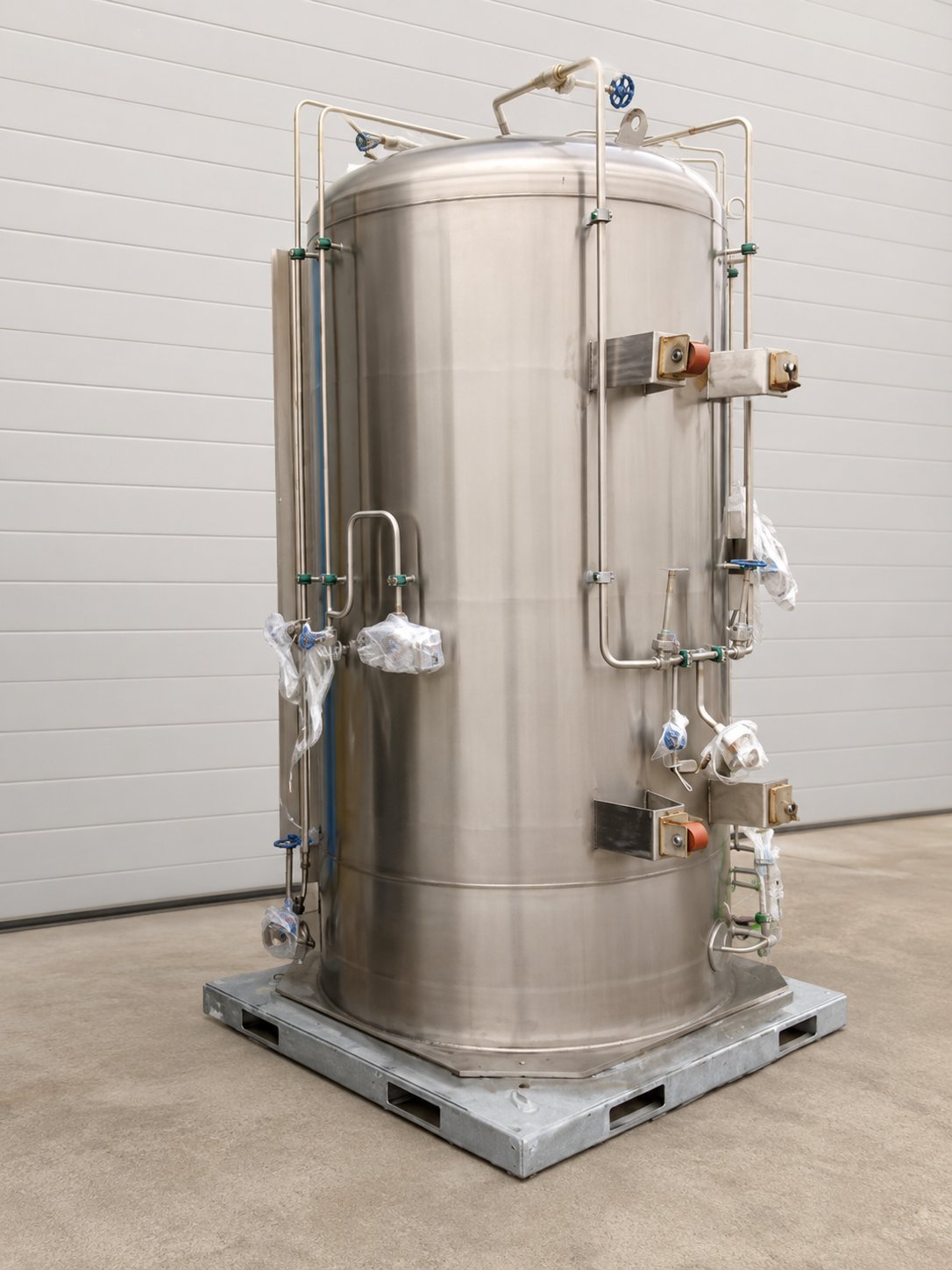
We source from a network of Chinese manufacturers rather than a single factory, and the framework is one of the filters applied when matching a factory to a destination. A manufacturer holding ASME certification, or building to EN 13445, can be selected where its code is acceptable under AS/NZS 1200 for the intended hazard level. Certificates and approvals belong to a specific factory, production site, and model, not to a brand or a network. For a vertical cryogenic storage tank bound for Australia, this means the design code, the verification route, and the registration documentation are settled before production starts, not after arrival. Availability and applicability of any standard, certificate, marking or registration procedure are confirmed for the specific manufacturer, model and order before production.
Send a rough duty description — medium, capacity, pressure, and destination state or region — and we will outline which design routes the framework can accept for it.
This page is general reference material, not regulatory advice; statutory registration and verification steps in Australia and New Zealand rest with the buyer or importer.