
AS 1210 is a design standard, not a certificate, an approval or a registration. It defines how a pressure vessel is engineered, built and documented, not who may install or operate it. Those legal steps sit in separate instruments, described below and in the wider standards and procedures reference.
What AS 1210 specifies
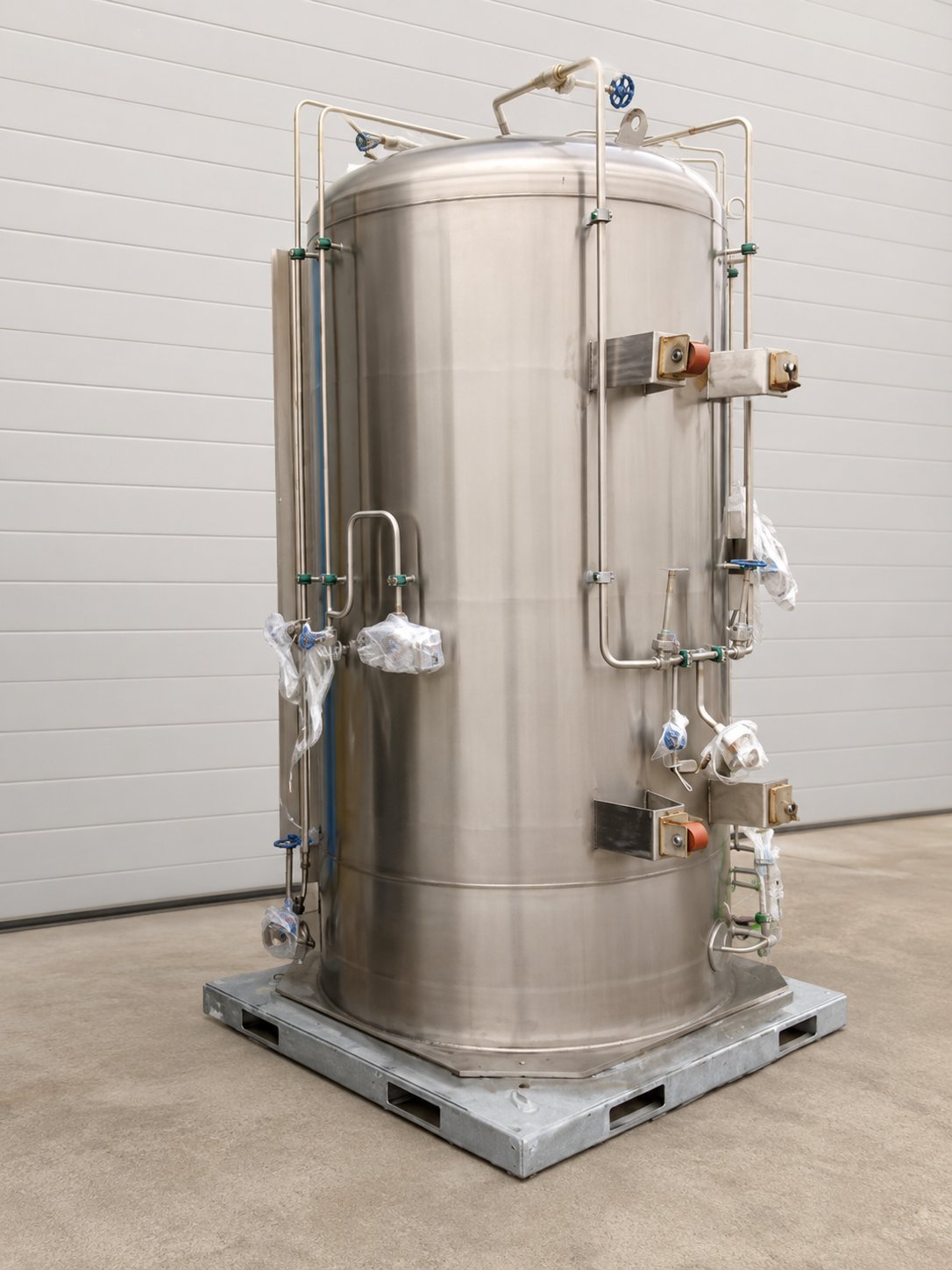
AS 1210 sets out minimum requirements for the materials, design, manufacture, testing, inspection, the manufacturer’s certification of conformity, documentation and dispatch of pressure vessels. It covers vessels constructed in ferrous or non-ferrous metals by welding, brazing, casting or forging. The inner vessels of cryogenic storage tanks and horizontal liquid cylinders are unfired pressure vessels, so this is the default clause set for them in Australia. The standard governs allowable stresses, weld design, non-destructive examination, pressure testing and the records a manufacturer must produce. It does not govern registration, import duty or site installation.
Where it sits: the AS/NZS 1200 framework
AS 1210 does not stand alone. It is one of the design standards called up by AS/NZS 1200, the parent standard for pressure equipment in Australia and New Zealand. AS/NZS 1200 defines which standards apply to which equipment class; AS 1210 supplies the vessel rules within that structure. A buyer specifying a vessel for Australia is therefore working inside a framework, not a single document.
AS 4343 hazard levels for cryogenic tanks
AS 4343 classifies pressure equipment into hazard levels A through E, based on pressure, volume and the contained fluid. The hazard level, not AS 1210 itself, determines the regulatory obligations that follow. Equipment at hazard levels A to D generally requires design registration with the state work health and safety regulator. Individual vessels at hazard levels A to C may also require plant item registration, with exceptions that can apply to serially produced vessels. Most cryogenic storage tanks fall into levels that trigger these duties; the exact level is calculated per vessel, not assumed.
Design verification by an independent verifier
For registrable vessels, the WHS regulations require the design to be checked by a design verifier independent of the designer. The verifier examines calculations and drawings against AS 1210, or against another accepted design standard, and issues a design verification statement. This statement is a core document in the registration file. Design verification can be arranged through the manufacturer’s supply scope or by the Australian side; which route applies is agreed and confirmed for the specific order.
Design registration and plant registration in Australia
Design registration and plant registration are requirements of state work health and safety legislation (WHS regulations in most states, the OHS regulations in Victoria), not clauses of AS 1210. A vessel can conform fully to AS 1210 and still be unusable on site until the registration steps are completed in the destination state. Registration is lodged with the state regulator, normally by the party with duties in Australia. Cryofor arranges the manufacturer documentation that supports the application; the statutory lodgement itself belongs to the buyer or importer. The full import pathway, including these steps, is covered on the Australia country page.
Vessels designed to ASME or EN 13445
The framework does not insist on AS 1210 as the only route. AS/NZS 1200 lists alternative design standards considered acceptable for pressure vessels, including ASME Section VIII and EN 13445. A vessel designed to one of these standards can proceed through Australian verification and registration, subject to the verifier’s assessment. This matters in sourcing: although GB 150 also appears among the listed standards, in practice the route stands or falls on whether the factory can support Australian design verification — English-language calculations, traceable material certificates and a design file a verifier can assess. A Chinese factory with an ASME programme or prior Australian orders is usually better placed to provide this than one that has only ever documented to domestic GB requirements. New Zealand shares the joint AS/NZS 1200 framework, but its regulatory steps differ and are covered on the New Zealand country page.
AS 1210 nameplates and marking
An AS 1210 vessel carries a permanent nameplate identifying the manufacturer, design standard, design pressure and temperature, serial number and year of manufacture. Where design registration applies, the registration number is expected to be marked on the vessel or its nameplate. Marking is evidence of conformity, not a substitute for the documentation file behind it. Nameplate content is agreed at the drawing stage, not corrected after shipment.
How Cryofor uses AS 1210 in factory selection
Cryofor supplies from a network of Chinese manufacturers, and the destination framework drives the selection. For an Australian order, a manufacturer with prior AS 1210 or accepted-alternative-standard production can be selected, and the documentation scope is fixed before production: design calculations, material certificates, weld and test records, and the design verification statement. Availability and applicability of any standard, certificate, marking or registration procedure are confirmed for the specific manufacturer, model and order before production. Background on how these documents move through an export order is in the export certification guide.
Send a rough duty description — media, volume, working pressure and destination state — and we will outline which standard route and documentation set the order is likely to need.
This page is a general reference, not engineering or legal advice for a specific installation.